
Huamao’s campus is located at No. 2, Yinxian Avenue, Middle Section, in Ningbo’s Yinzhou District. Spaces for reading, the arts, science and sport extend learning beyond the classroom. The campus spans 500 mu, providing an educational oasis in the city centre.
Libraries serving different age groups support reading, research and independent study. Art museum resources, science and technology exhibits, and sports facilities create opportunities to observe, make, explore and stay active. We encourage students to remain curious and broaden their understanding through first-hand experience.
Huamao Art Museum
Designed by Wang Shu, a laureate of the Pritzker Architecture Prize, it stood as one of the most expansive private art museums in China at the time of its completion. Guided by the conviction that "collections are for education, and the museum is built to cultivate minds," it has created a distinctive space for the community where art and education converge in harmony.

Huamao Gymnasium
Completed in 1999, this 6,800-square-meter venue serves primarily as a multi-purpose indoor basketball court, equipped with spectator stands seating up to 3,000. The gym also features a constant-temperature swimming pool and a professional table tennis hall. The swimming pool has been officially designated a swimming training base by the Ningbo Municipal Bureau of Education, whereas the table tennis hall is accredited as the Zhejiang Provincial Reserve Talent Base for Table Tennis.

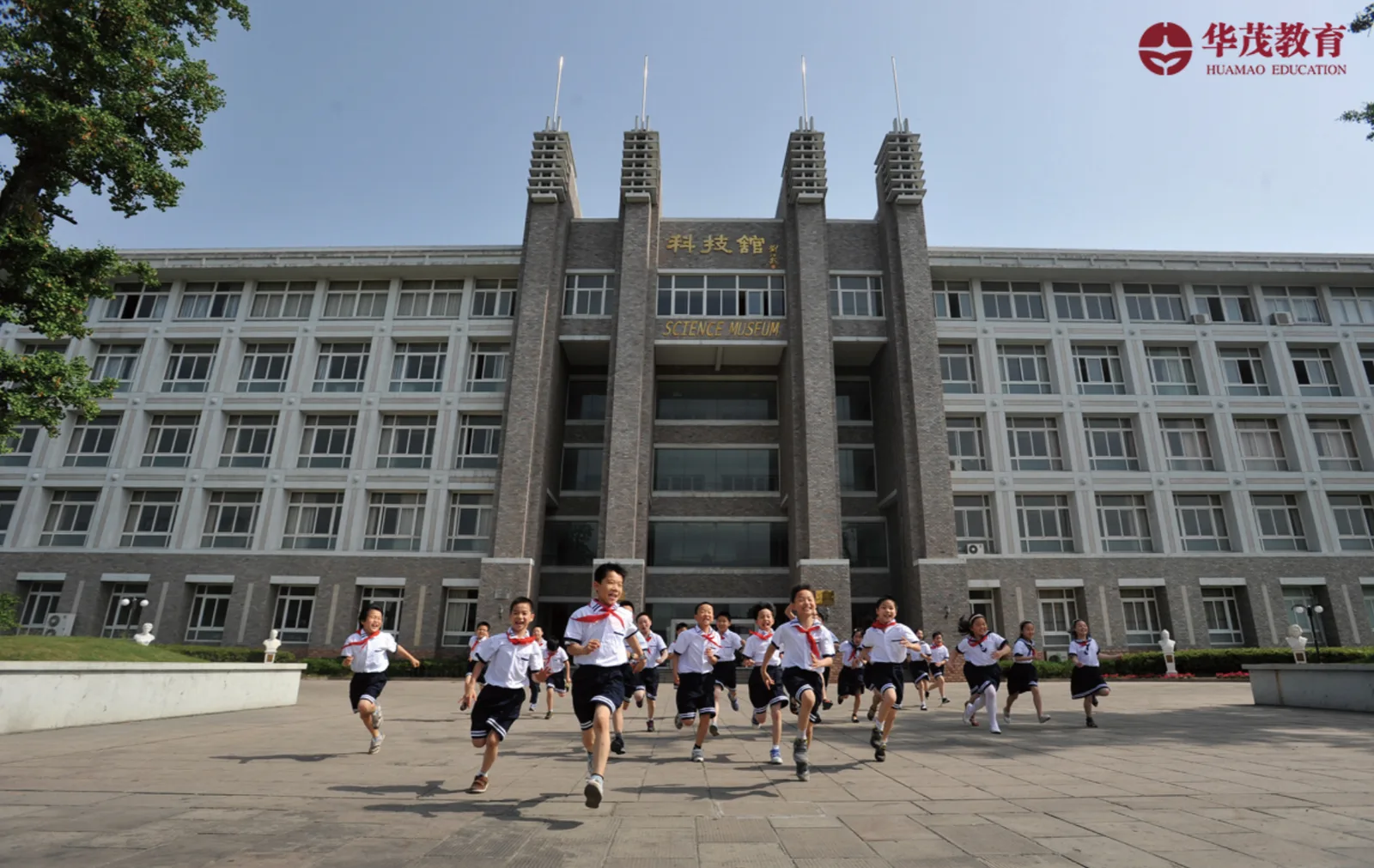
Huamao Science and Technology Museum
Accredited as a social practice education base for Ningbo’s primary and secondary school students and a municipal popular science education hub, it boasts a rich collection of classic exhibits from both China and abroad alongside cutting-edge technological innovations. With a diverse array of interactive displays that invite visitors to see, explore, learn, and engage hands-on, it has created a vibrant, multifaceted wonderland of discovery and delight.
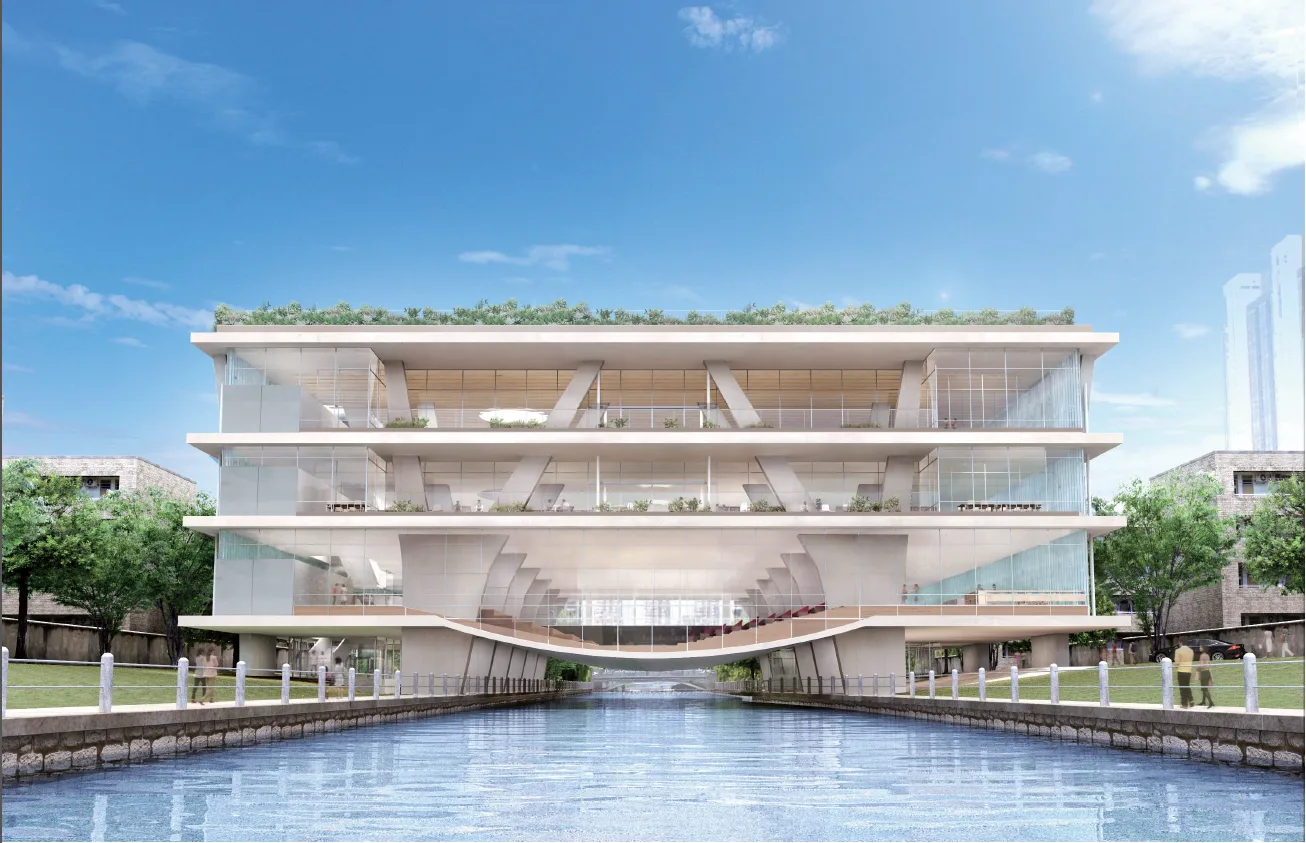
Beauty Culture Center
Designed by the renowned Japanese architect and Pritzker Prize laureate Toyo Ito, the Center houses a concert hall, drama training rooms, lecture halls, exhibition galleries, classrooms, and other multifunctional spaces for student engagement and learning – all woven together to form a rich and dynamic hub for intellectual and cultural exchange.
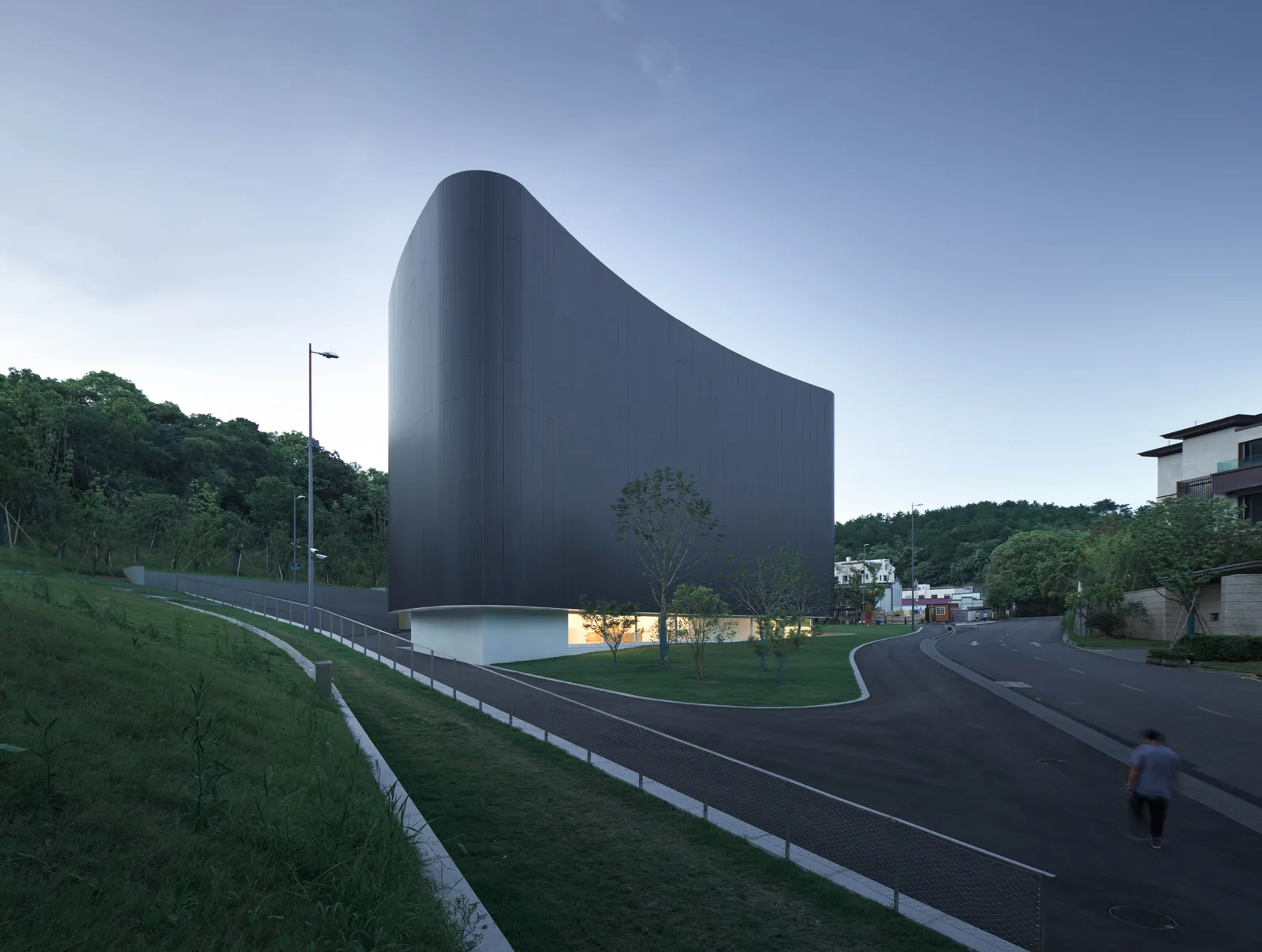
Huamao Art Education Museum
As China’s first museum dedicated to the theme of art education, this architectural gem is designed by Álvaro Siza – one of the most revered architects of our time – and stands as the only "ink-toned" work in his illustrious oeuvre. Its collection boasts over a hundred pieces by pioneering figures of modern and contemporary Chinese art education, systematically tracing the century-long evolution of aesthetic pedagogy in China. With a commitment to openness and inclusivity, the museum aspires to be a boundless "classroom without walls," fostering art education for all in society.
Feinu Square
The sculpture Feinu is a magnum opus crafted by French sculptor Étienne Pirot, and also the largest work in his artistic career. Rooted in Huamao’s educational philosophy of "Comprehensive Social Education", the creation draws on the school’s integrated system of holistic education, grand art and all-round aesthetic education, embodying its aesthetic vision of "Cultivating people with beauty, glorifying humanity through aesthetics, letting each shine with its own grace, and achieving harmonious beauty for all". Eleven carrier pigeons hover serenely above the water surface. Their frozen, vivid forms in a fleeting moment convey the artist’s unique interpretation of time, space and aesthetics.
